Login
Login







 Back
17 September 25 - by England Squash
Back
17 September 25 - by England Squash
Rally for Change: Millie Tomlinson redefines competition to make squash more inclusive
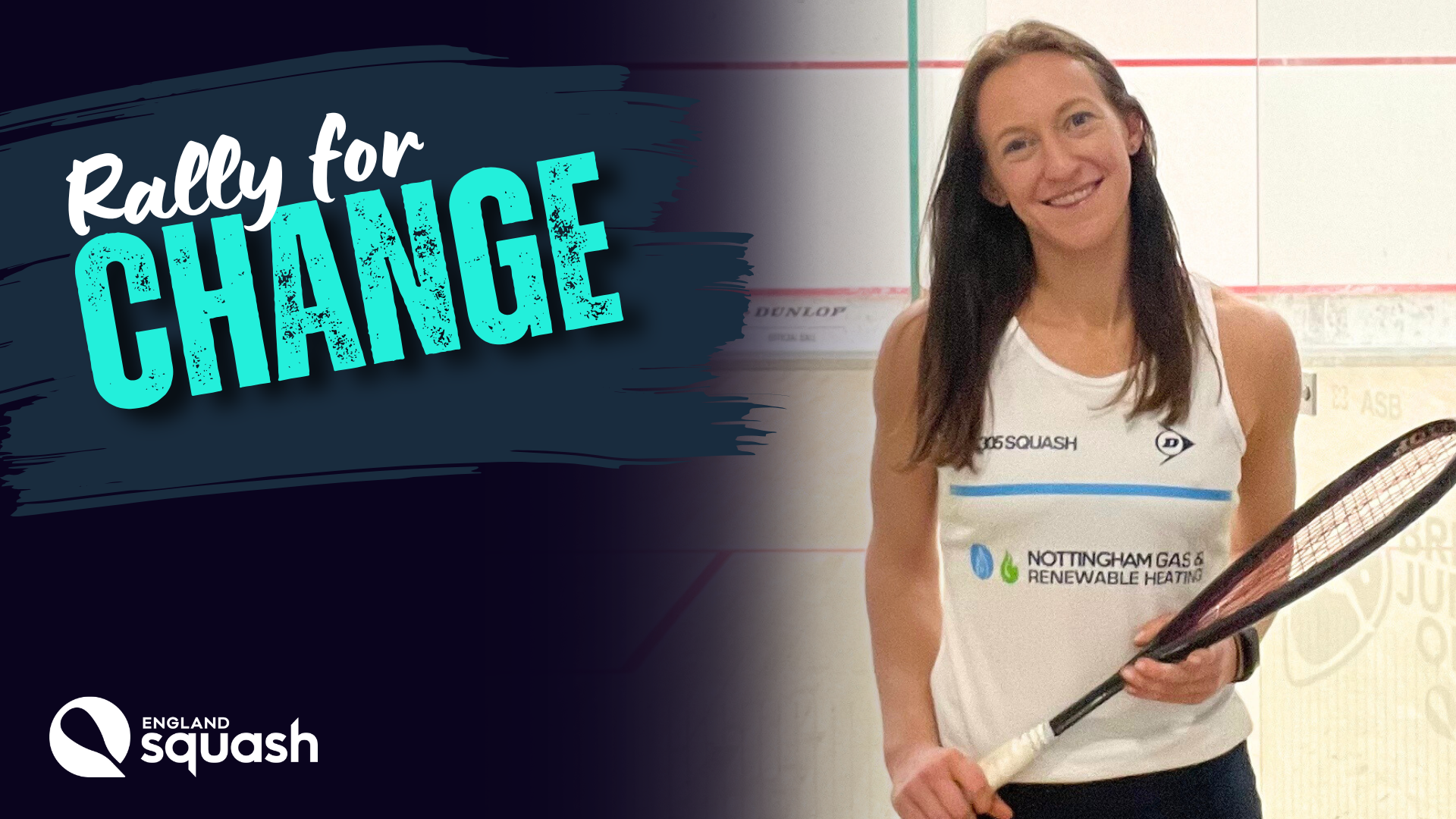
European champion and former world no.20, Millie Tomlinson is proof that elite success and grassroots change can go hand in hand. Still competing full-time on the PSA Tour, she’s also the driving force behind the Graded Squash Tour - inclusive, social events designed to make competition less intimidating and more welcoming. With women making up half the entries at her recent tournament in Newark this week, Millie is breaking down barriers, changing perceptions, and showing that squash is a game for everyone. As part of the Women’s Squash Collective, she’s inspiring more women and girls to step on court and enjoy the sport at every level.
What have you done to inspire and engage more people in squash and grow the game?
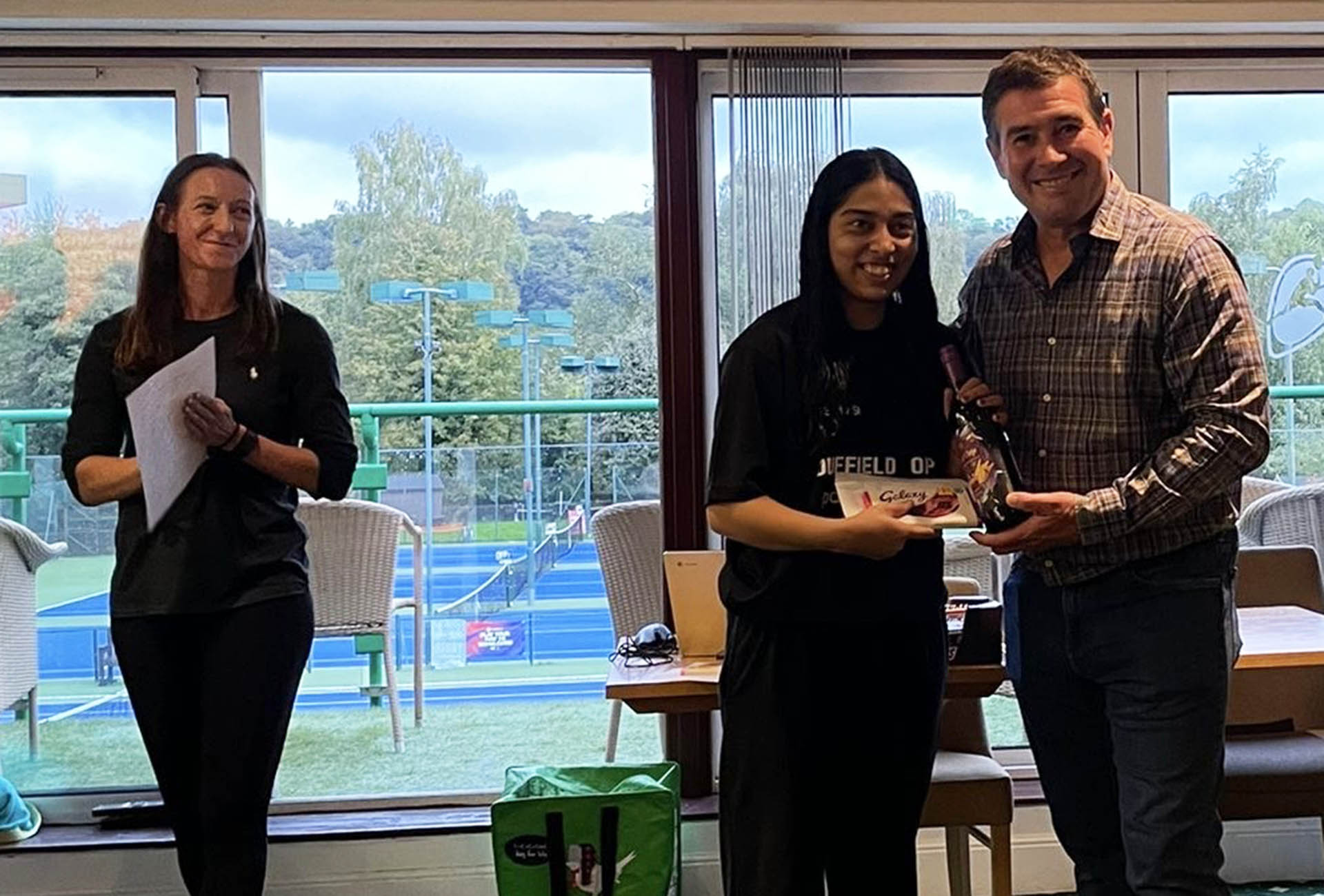
The biggest thing I’ve been doing is the Graded Squash Tour. It’s a series of squash events, usually a one-day tournament, where each participant is guaranteed three matches. They’re open to absolutely anyone, with a focus on community, inclusion and fostering a social competitive environment for people to enjoy the game. This year, we’ve run a few tournaments with over 100 entrants and even hosted our first European graded event in Amsterdam, which saw English and Dutch players competing and socialising.
We separate people into grades according to their level, so everyone's in a group with people of a similar ability. I use SquashLevels where I can, which is a global rating system for squash. It’s very handy for people who run tournaments. But with a lot of women, they don’t play team squash, so I ask their clubs and coaches to put them in a list according to ability.
We’re doing a graded event in Newark as part of Women’s Squash Week and about 50% of the entries are female, which is the highest percentage that we’ve had yet. I have to thank the club coach, Brett De Angelis for this. He's been a huge advocate for women's squash, and gave this event a real push because of Women's Squash Week. The work he's doing at Grove to grow the game is unparalleled.
Why has this graded approach been effective?
It means it’s not as intimidating to step on court. You’ll be with people of a similar standard, and you don’t have to worry about having to play someone who’s going to blast you off the court.
What impact have you seen from your work so far?
It’s a nice atmosphere and a nice sense of community. Squash people in general are really welcoming and friendly.
I had one woman who was really nervous to play. She said she hadn’t played in front of people or in a competitive match before but at the end of the weekend, she came up to me to tell me how much she’d enjoyed it and how surprised she was at how friendly and welcoming everyone was. She’s going to play more events in the future. That’s always nice.
I played in one of the graded tournaments earlier in September and because it’s been summer, I’d not played a tournament for a while and as soon as someone’s watching or there’s a referee, you do feel nervous. But everyone's really social, friendly and supportive at these events.
What do you think squash has to offer to new and diverse audiences?
It’s a really good workout in a short amount of time, so it’s great for people who are pushed for time. There’s a good social scene and a really welcoming community within squash. It’s a fun game and an engaging way to stay fit.
What changes would make the biggest difference in terms of inclusion and for the growth of squash?
Using the right ball for your standard is really important. Even just going to a single yellow dot instead of a double dot makes the game more enjoyable. But until I started coaching, I wouldn’t have known the order of the balls, so we need more education and awareness around that.
The main difference is that a single dot ball or a beginner ball will bounce more, which allows you to have longer rallies and get into the game, and isn’t as brutal on your body.
And squash just needs more exposure because as soon as people try it, they become addicted to it and love it. I’ve never heard anyone try it and say, ‘Oh, it’s not for me’. We just need to get the game out there to more people.
What drives you to make changes in squash?
I’ve got so much out of the sport. Me and my family, my sisters, have all had so much out of it so it’s rewarding to put something back in and see it grow. Squash has opened a lot of doors for me. It’s allowed me to meet people I wouldn’t otherwise have met, to travel around the world, and it’s my therapy as well – if I’m in a bad mood, I can go down and do a 40-minute solo practice and feel a lot better afterwards. It’s nice having your thing that you can always go back to.
Why are you proud to be part of the Women’s Squash Collective and why do you think it’s important?
It’s important to break down barriers, get more women playing, and change the image of squash that women might have – that it’s too intense or too fast. Just raising awareness around the fact that it’s a game for everyone and it can be enjoyed by everyone. I like being in the Collective because there’s a lot of inspiring women and it’s nice to get snippets of motivation and learn things from each other.
Ready to try a Graded Squash event for yourself? Find out more and join the Graded Squash Tour community: Email: [email protected] | Join the WhatsApp group | Follow on Instagram
Be part of the movement that’s putting women front and centre in squash. Find out more and join the Women’s Squash Collective today.
Discover more about England Squash’s commitment to diversity and inclusion.

Follow






 (2).png)
.png)