Login
Login






 Back
22 September 25 - by England Squash
Back
22 September 25 - by England Squash
New report reveals experiences of women and girls in squash
New report reveals experiences of women and girls in squash – England Squash sets out next steps for change.
Today we have published the findings of a listening exercise exploring the experiences of women and girls in the sport – revealing both the powerful sense of community squash can create, and the barriers that too often prevent women and girls from feeling welcomed, supported and included.
The study, conducted by strategic consultants Beyond between March and May 2025, heard from over 100 people across the squash community – including players, coaches, parents and club leaders – to better understand the culture of squash and the changes needed to make it a sport for everyone.
The Belonging Gap
One of the clearest findings was the 'belonging gap' between men and women in squash. While 87% of men said they feel a sense of belonging, only 60% of women agreed.
For many men, belonging is assumed from their very first visit to a club. For women however, it is often something that must be earned – through persistence, volunteering, or even taking on coaching or committee roles.
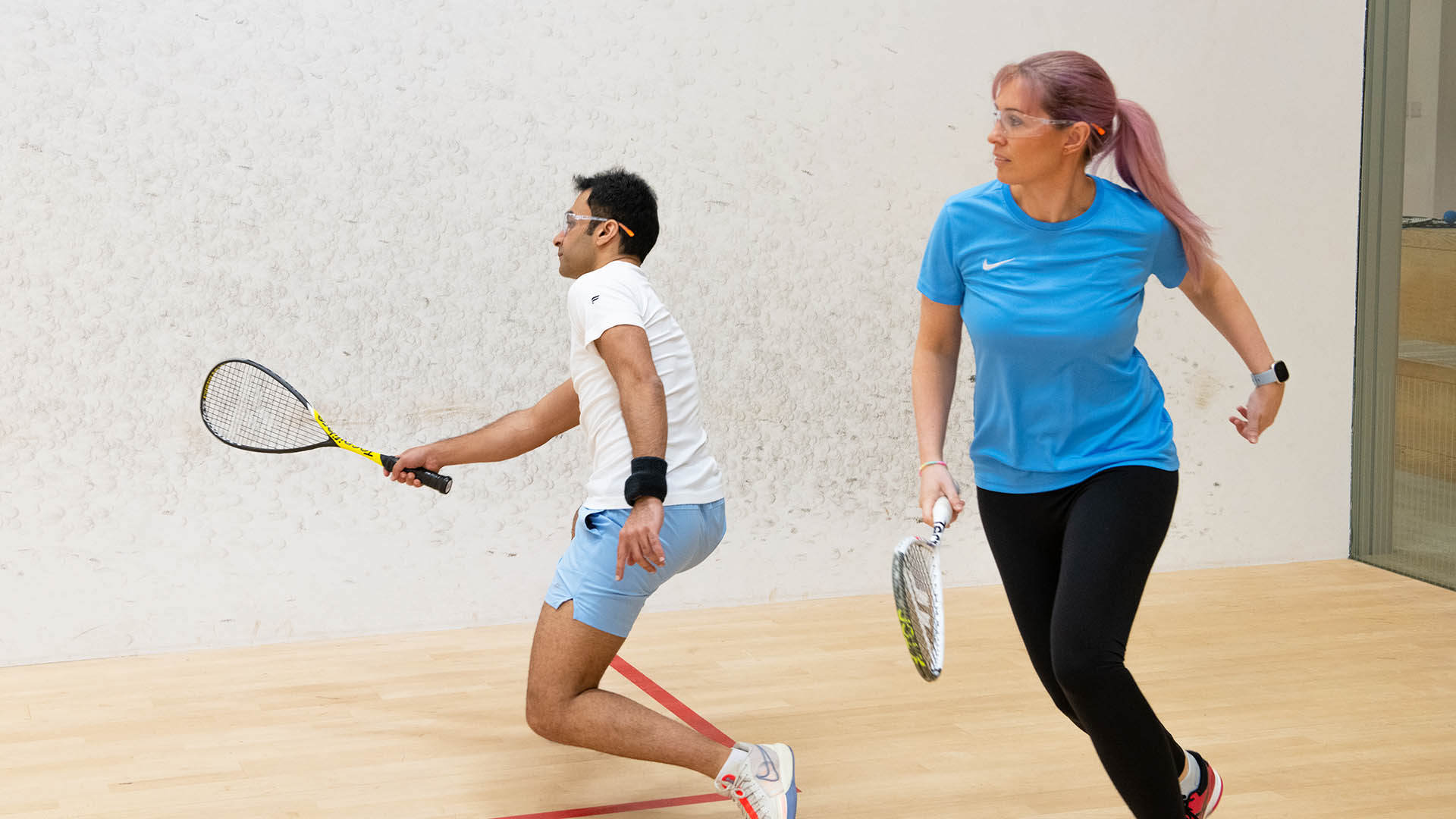
The research highlighted how male voices continue to dominate club culture and decision-making. Assumptions about what counts as "real squash" - usually competitive, high-level play - shape who is respected and who feels excluded. One participant explained how only players involved in league teams were treated as "proper players", with others side-lined.
This gap was echoed in broader perceptions of inclusivity: 56% of women said squash is not inclusive, compared to 41% of men.
Jo Rowbottom, Head of Partnerships and Communities at England Squash, said:
“These groundbreaking insights into the experiences of women and girls in the sport give us a platform on which to ensure we change the narrative. We're delighted to hear that squash at its best provides moments of joy, flourishing friendships, opportunity for growth and discovery. By acting on the findings in the listening exercise, we are already finding ways to close that gap and build a sport where everyone has the chance to thrive – on and off the court.”
Squash at its best – and worst
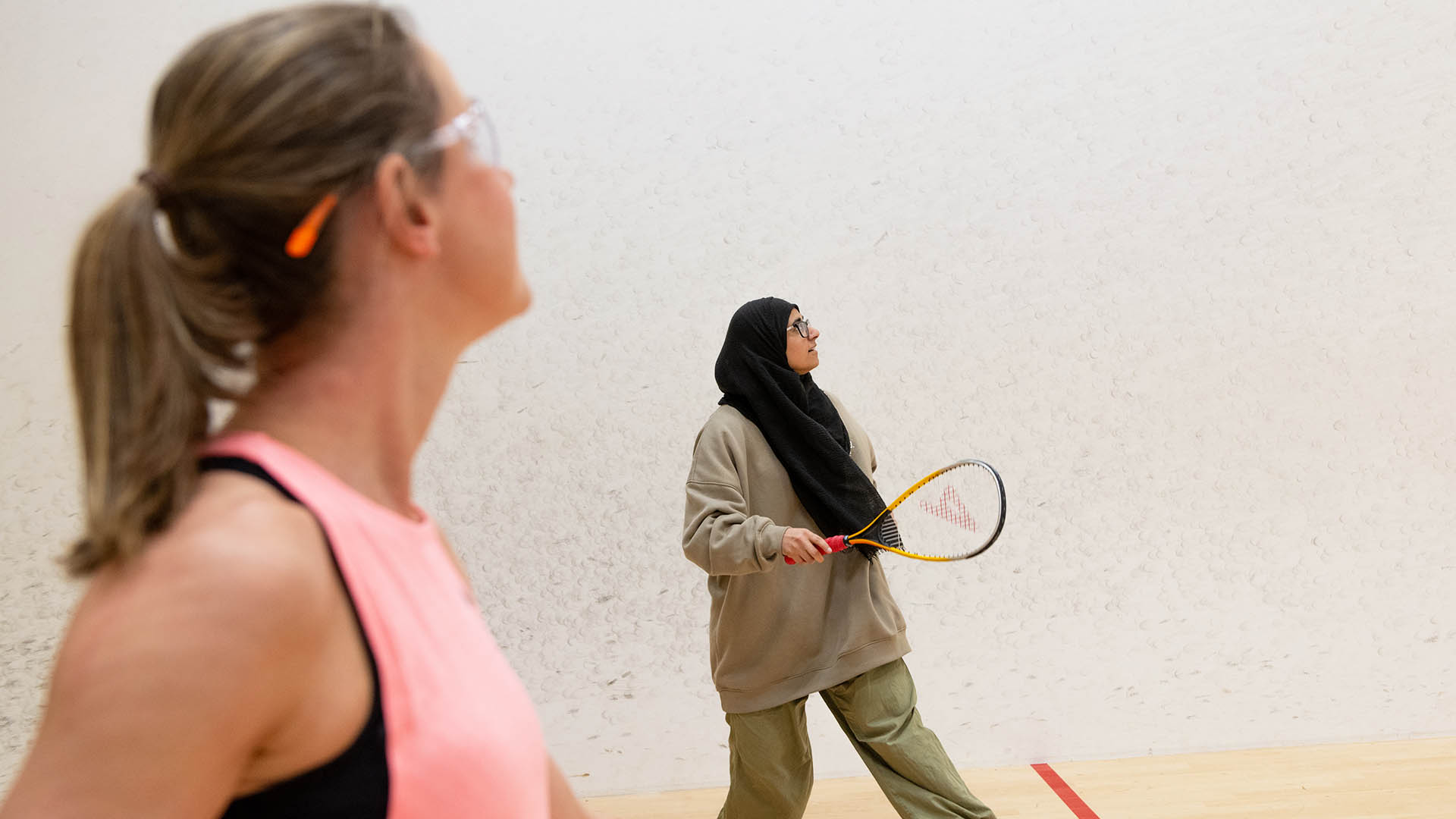
At its best, squash was described as a place where “good matches, fitness and friendships can flourish” and where the energy of shared challenge creates moments of joy, discovery and connection.
But at its worst, the sport’s gladiatorial heritage and “win at all costs” mentality can overshadow respect and enjoyment. Intimidating play, poor sportsmanship and cliquey cultures were all cited as barriers that discourage people from continuing. One participant recalled:
“An adult player deliberately ran into her several times and bullied her off the court... she gave up because it became too uncomfortable.”
Key barriers
The report highlights four main barriers that contribute to the belonging gap:
- Welcoming spaces – new players, especially women, often feel like outsiders in “cliquey” club environments.
- Culture – a “win at all costs” mentality normalises poor behaviour, with two-thirds of women citing negative court conduct as a barrier.
- Pathways – squash’s focus on traditional competitive structures leaves little room for those motivated by fitness, fun or social connection.
- Leadership – decision-making remains dominated by older men, with women reporting they must “fight” for their voices to be heard.
Next steps
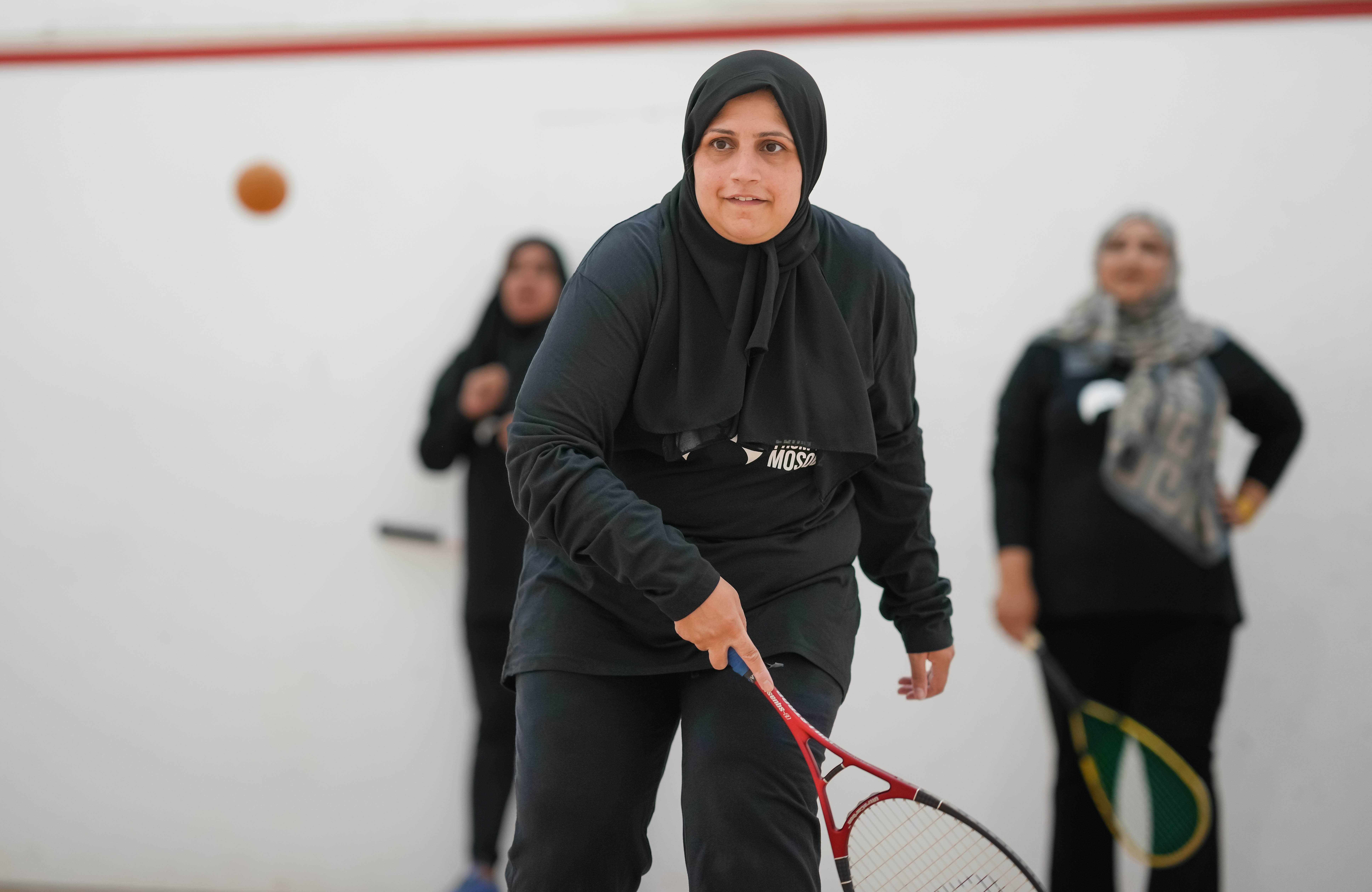
Despite the challenges, the listening exercise also points to solutions already working - such as Girls in Motion, Women’s Squash Week and Squash from the Mosque - and highlights the role of passionate people who are creating more welcoming communities.
Building on these insights, England Squash will embed the findings into its long-term strategy for 2026–30, focusing on five strategic priorities:
- Transform first impressions – ensuring that every new player’s first contact with squash, online or in-person, is welcoming.
- Establish respectful playing standards – making respect and safe play non-negotiables at every level.
- Create experiences for every type of player – developing programmes for social, fitness-focused and competitive players alike.
- Diversify decision-making power – supporting more women and underrepresented groups into leadership roles.
- Energise the brand – promoting squash as the “ultimate personal challenge sport” that is accessible, exciting and rewarding.
We’d love to hear your reflections on the report and share your experiences - have your say now.


.png&width=301)
Follow






 (2).png)
.png)